

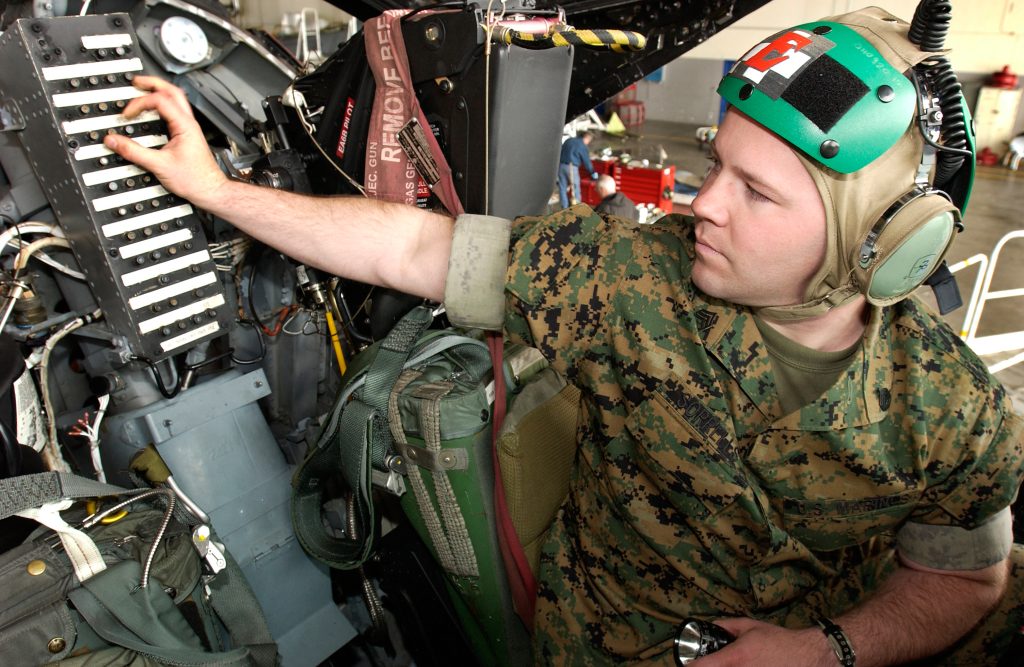
An aircraft circuit breaker has a simple job on paper: interrupt electrical flow when a fault occurs and help protect the rest of the system. In practice, the selection process is much more demanding. A breaker has to respond predictably under real aircraft loads, hold up under vibration and temperature stress, and fit into a maintenance program that values both safety and dispatch reliability.
That is why choosing the right aircraft circuit breaker is about more than matching amperage. Operators, maintenance teams, and sourcing specialists need to think about environment, duty cycle, certification, and supportability. A breaker that performs well in controlled conditions may not deliver the same result in a high-use fleet operating in heat, dust, or repeated short-cycle missions.
Why breaker selection deserves closer attention
Electrical protection components often receive attention only when a fault occurs, but their daily value is much broader. A well-selected breaker helps prevent damage to wiring and equipment, limits the spread of an electrical event, and reduces nuisance trips that interrupt normal operations.
In aviation, those requirements are more demanding because the electrical system supports critical loads across flight control, avionics, lighting, pumps, communication, and cabin systems. Even a relatively small breaker can affect dispatch decisions if its behavior is inconsistent or if replacement stock is difficult to obtain on time.
Conditions that affect breaker performance
Aircraft electrical protection is shaped by operating conditions that are tougher than most ground-based applications. Selection decisions should consider how the part will behave in actual service, not just in a catalog description.
Important operating factors include:
- High ambient temperature that can change trip behavior and service life.
- Vibration and repeated mechanical stress during taxi, takeoff, landing, and maintenance activity.
- Load cycling patterns that place more demand on some circuits than others.
- Space constraints inside panels and the need to preserve maintenance access.
These conditions explain why aviation teams normally prefer components with proven aerospace history, dependable documentation, and stable performance across the full operating envelope.
What to compare before approving a part
When engineering or procurement teams evaluate breaker options, a few questions usually make the difference between a smooth approval process and a future support issue.
- Does the breaker match the current, voltage, mounting, and form-factor requirements of the application?
- Are the trip characteristics appropriate for the protected load, including startup behavior and transient conditions?
- Is the part supported by clear certification and traceability documents?
- Can the same item be sourced reliably for line maintenance, scheduled replacement, and urgent requests?
These questions matter because electrical protection is part of a larger lifecycle decision. The best component is not always the one with the lowest unit cost. It is the one that reduces risk, avoids unnecessary removals, and stays available when the fleet needs it.
Why supportability matters as much as specification
Aviation maintenance teams do not just buy components. They buy confidence in installation, records, and replenishment. If a breaker is technically acceptable but slow to source or difficult to document, it can still become a problem during scheduled checks or aircraft-on-ground events.
A stronger support strategy usually includes:
- Reviewing lead times before the part becomes urgent.
- Confirming documentation requirements early, including traceability and release paperwork.
- Keeping visibility on commonly used ratings and panel configurations.
- Working with suppliers that can support both planned maintenance and urgent operational needs.
That approach helps reduce delays in troubleshooting, replacement, and return-to-service decisions. It also gives procurement teams a clearer view of stocking priorities for frequently used electrical protection items.
A practical approach for high-use fleets
For operators running frequent sectors, maintenance efficiency becomes part of electrical reliability. The right breaker should not only protect the circuit. It should also fit into a program that allows quick identification, clean installation, and predictable replacement planning.
That usually means standardizing where possible, documenting preferred alternatives, and aligning technical teams with sourcing teams before issues arise. In many organizations, the biggest gains come from preparation rather than emergency decision-making.
Final takeaway
Aircraft circuit breakers are small components with an outsized effect on operational confidence. When selected carefully, they help protect critical electrical systems, reduce nuisance events, and support faster maintenance action.
For operators facing heat, vibration, high utilization, and strict documentation requirements, the best results come from balancing technical fit with dependable sourcing and lifecycle support. That combination is what turns a basic protection component into a reliable part of fleet performance.
Featured image credit: U.S. Navy photo by Photographer’s Mate 2nd Class Michael B. W. Watkins, via Wikimedia Commons, public domain.